
MAHA MEVI Meeting Update: A Recap from Washington DC
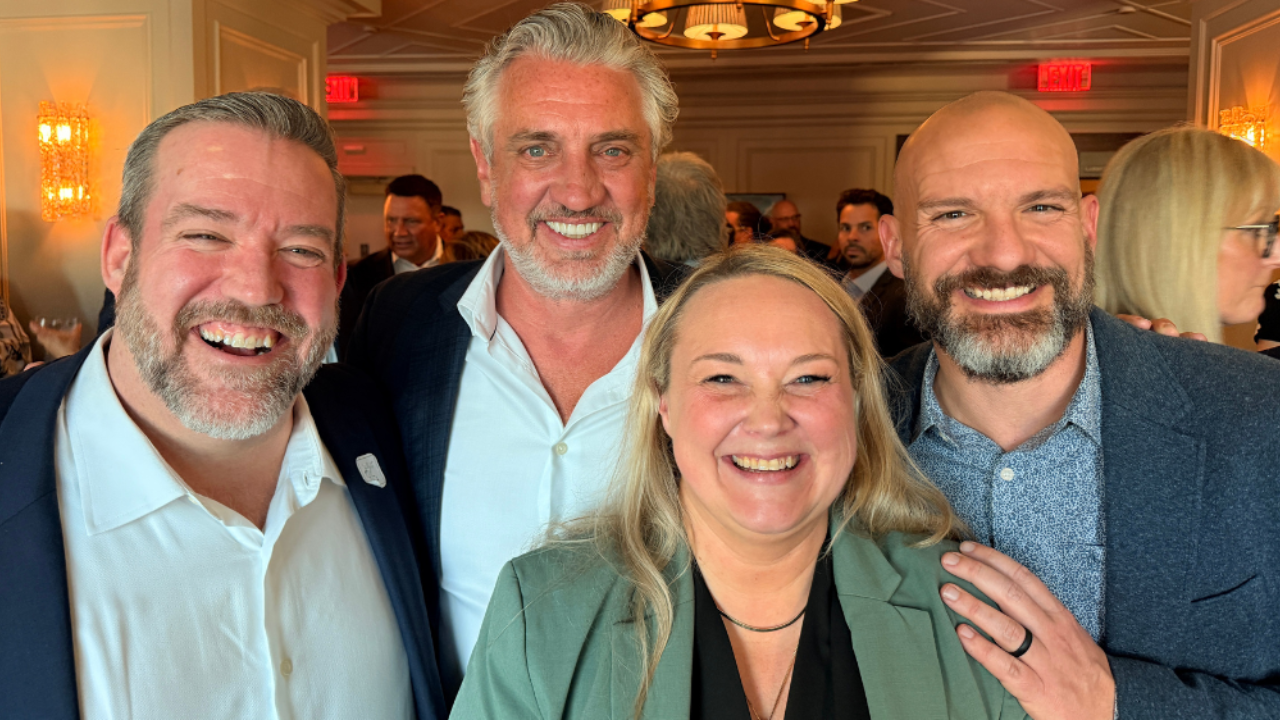
Earlier this week, I traveled to Washington, DC to attend a meeting called MEVI — the Massive Epidemic of Vaccine Injury.
I expected to hear difficult stories and concerning data about the epidemic of chronic illness and misinformation affecting our children.
What I did not expect was how openly and directly those conversations would be happening — right in the heart of Washington.
For the first time in a long time, it felt like parents' voices were finally being heard, and the real science behind these issues would no longer be ignored.
Why I Was in Washington DC
I was asked to be there because, for nearly two decades, I've been advocating for children struggling with autism, neurodevelopmental challenges, and other chronic childhood conditions.
Through my clinical work, research, and work with families, I've spent years studying the foundational neurology and root causes behind these disorders, digging deeper into the mechanisms than any conventional healthcare systems are willing to explore — and often even deeper than those in the functional and integrative world even go.
Over the years, I've also worked alongside many of the researchers, practitioners, and advocates who were present at the meeting — people who have spent years trying to understand why we are seeing such an unprecedented rise in chronic illness in children.
Going into the meeting, I assumed the discussion would focus primarily on something many of us have been raising concerns about for years — the lack of meaningful safety science surrounding vaccines, particularly when it comes to long-term neurological and immune outcomes.
But once the meeting began, it became clear the conversation was even bigger than that.
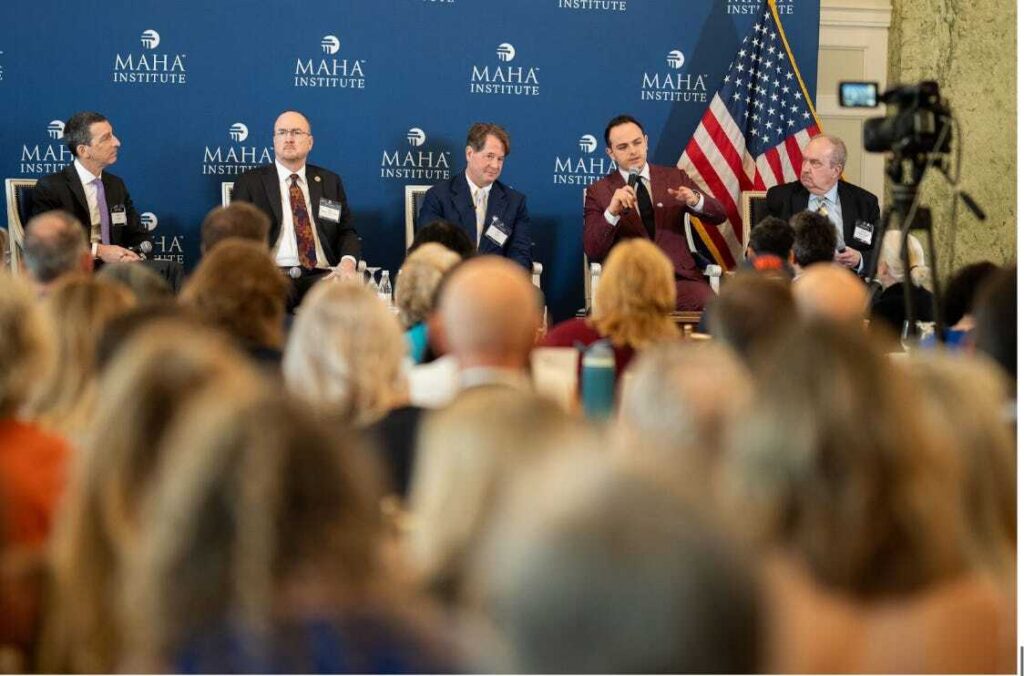
Walking Into the Room
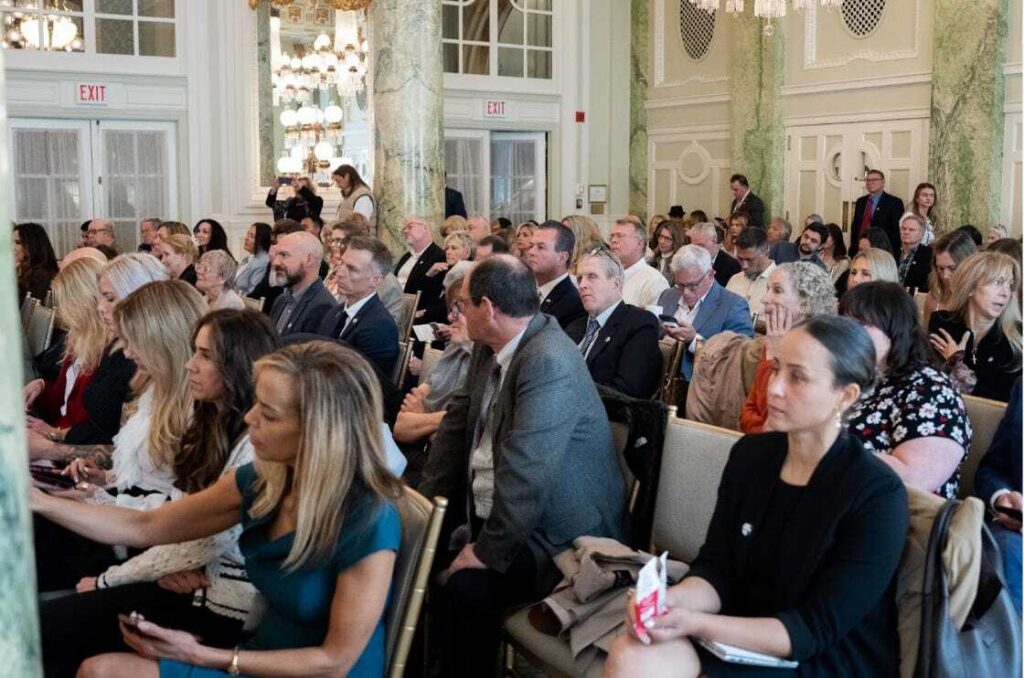
When I walked into the meeting room that morning, it was immediately clear that the room was filled with people who had been fighting for the health of children for a long time.
Many of them have done so despite facing skepticism, criticism, and even personal or professional attacks.
These were not people who chose the easy path.
They were researchers, practitioners, advocates, and parents who refused to stop asking difficult questions about what is happening to children's health.
There were many parents present whose children had experienced serious vaccine injuries, and their stories alone reminded everyone in the room what was truly at stake.
But this meeting was not only about personal stories.
There was also a large amount of scientific data presented examining the trends we are seeing in childhood health today.
And then the first speaker took the stage.
What surprised me the most — by far — was how direct and unfiltered the opening presentation was.
MAHA advocate Mark Gorton began the meeting with powerful statements and data that made it clear this conversation was not going to be watered down.
Now I'll be honest — much of the science and statistics being presented were things I had already studied or been aware of through my work over the past two decades.
But what I did not expect was to hear those truths spoken so clearly in a room in Washington, DC.
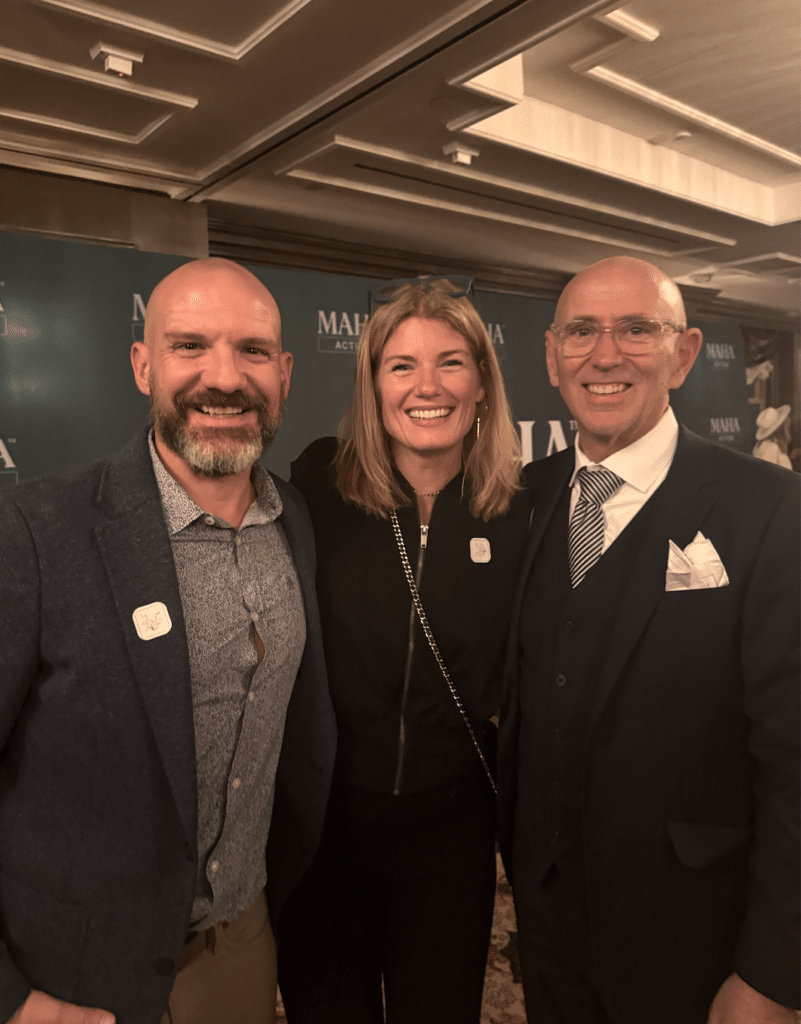
At one point, I even turned to the chiropractors sitting near me and joked that it felt like we were sitting inside one of our own chiropractic workshops, provided in private for parents who wanted to finally know the truth and get answers for their questions and observations.
Except we weren't.
We were in the middle of Washington DC, surrounded by people from many different backgrounds who are now beginning to recognize the same truths many of us have been seeing for years.
And that realization was incredibly powerful.
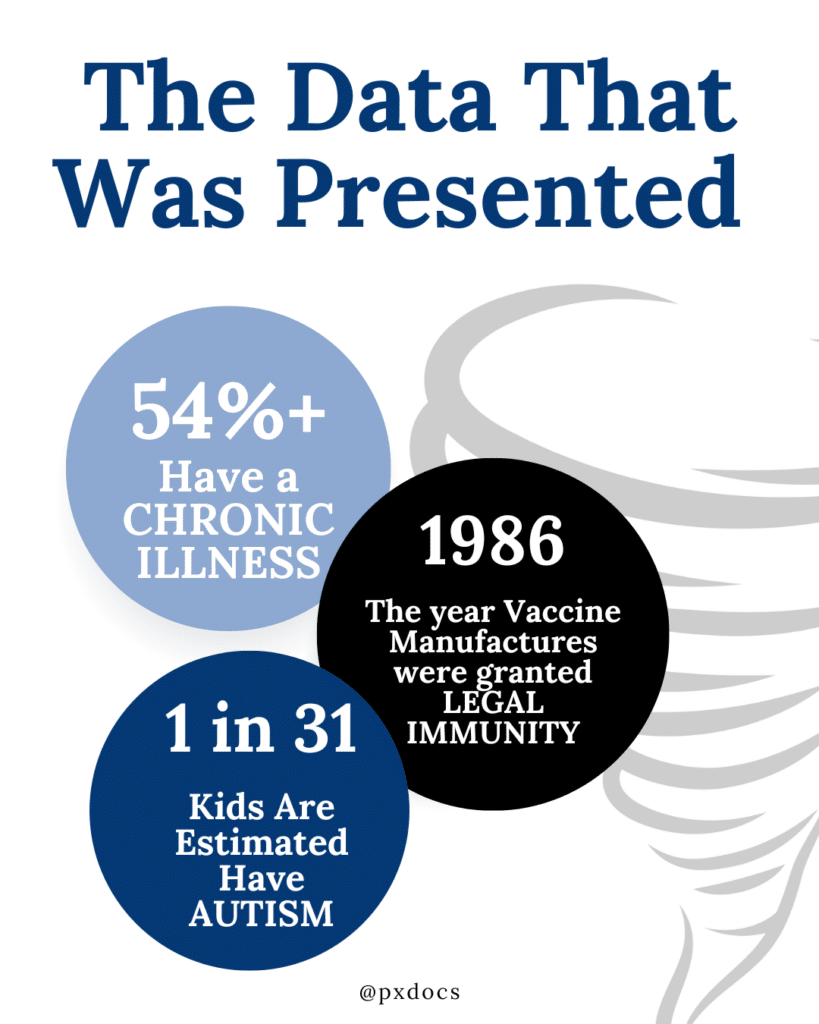
Throughout the meeting, a large amount of data was presented about the current state of children's health in the United States.
One statistic that has been widely cited for years is that 54% of children in America now have a chronic illness — conditions like autism, ADHD, autoimmune disorders, allergies, asthma, and other neurological or immune challenges.
But even that number may now be outdated.
Many experts believe the true number today is even higher, as that statistic itself is based on data that is now more than a decade old.
One study discussed during the meeting examined health outcomes among vaccinated children and reported that approximately 70% of children in the dataset had at least one chronic health condition.
Autism statistics were also discussed.
Today, autism is estimated to affect 1 in 31 children overall in the United States, and in some regions, the numbers are even more concerning.
In California, recent data suggests the rate may be as high as 1 in 12 boys.
Speakers also addressed two common explanations often given for these rising numbers.
First, the idea that the increase in autism is simply due to better diagnosis. Presenters explained why that explanation does not fully account for the magnitude of the increase we are seeing — not even close.
Second, historical data was discussed showing that the vast majority of the decline in deaths from infectious diseases occurred before many vaccines were introduced, largely due to improvements in sanitation, nutrition, and public health infrastructure.
Several statements throughout the day captured the tone of the room.
Marc Gorton said:
"Pediatric healthcare in this country is net harmful to children."
Del Bigtree addressed the political tension around the issue:
"Robert Kennedy Jr. is not your enemy. He's in there simply asking the right questions."
And researcher Brian Hooker summarized what many families are already doing:
"People are voting with their feet."
In other words, many parents are already stepping outside conventional systems in search of answers. They have fired their conventional pediatrician and now are left with no choice but to go find root cause Pediatric Chiropractors and other practitioners to help their children heal, get healthy, and stay healthy.
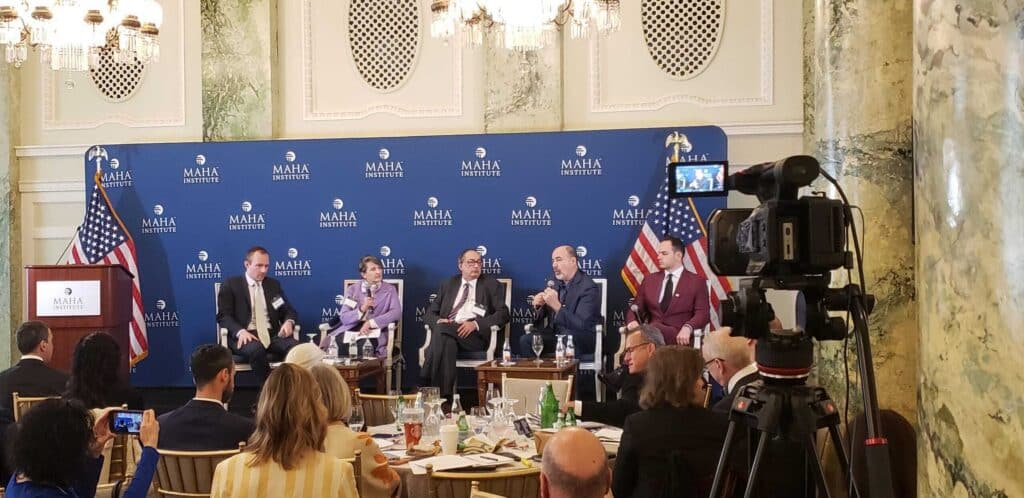
My Two Biggest Takeaways
As I listened to the presentations and conversations throughout the day, two thoughts kept coming back to me.
First, parents deserve honest and transparent conversations about vaccine safety science.
Many families assume the safety research behind vaccines is far more extensive than it actually is. One of the reasons this topic has been so difficult to study openly is the legal framework created by the 1986 National Childhood Vaccine Injury Act, which limited liability for vaccine manufacturers and created a special court to handle injury claims.
Parents deserve open science and honest discussion about these issues.
Second, while I deeply respect the experts in the room, I still believe many people are missing the first pieces of the puzzle.
Put simply — nervous system dysregulation most often precedes immune system dysregulation.
You just need to know where to look in the case history (earlier and deeper), and you need to deploy the right testing and technology to be able to detect nervous system dysregulation that often sits underneath immune system dysfunction.
For nearly two decades in clinical practice, I have consistently seen that many children struggling with autism, neurodevelopmental disorders, autoimmune challenges, and chronic illness already have significant nervous system stress long before vaccines ever enter the picture.
In our work, we call this the beginning of the Perfect Storm.
Often, the first two contributors to that storm are:
- Maternal (fetal) distress during pregnancy
- Birth interventions and birth trauma
These factors can place tremendous strain on a developing child's nervous system and shift it into patterns of dysregulation and imbalance.
When a child's nervous system is already overwhelmed, it can change how they respond to additional stressors later on, whether those stressors are infections, environmental toxins, medications, or vaccines.
When subluxation and sympathetic dominance set up shop first within a child's autonomic nervous system, it significantly limits digestive motility, absorption, and elimination (detoxification)... and it also leaves the immune system in a dysfunctional, pro-inflammatory, hypersensitive state.
We cannot ignore this foundational root cause issue and leave it unaddressed if we want our children to fully heal and recover from the storm.
Understanding that bigger picture is critical if we truly want to help children heal.
A Message of Hope for Parents
Despite the seriousness of the discussions that took place in Washington, I left the meeting feeling something many parents have been waiting a long time to feel again:
Hope.
For years, many parents who asked questions about their child's health were dismissed or made to feel like their concerns were invalid.
But what became clear in Washington is that people have been listening.
Thanks to leaders like Secretary Robert F. Kennedy Jr. and the MAHA movement, the voices of parents are finally beginning to be heard in national conversations about children's health.
That matters.
Because when honest questions are allowed, real science can finally happen.
This could usher in a new era where we not only help children who have already been injured heal, but also work proactively to prevent millions of children from entering the storm in the first place.
Parents deserve true informed choice, open scientific discussion, and healthcare providers who are willing to explore root causes rather than simply suppress symptoms.
Most importantly, parents deserve to know this:
You are not crazy for asking questions.
Children are designed to be healthy.
And when we begin to understand and support the nervous system properly, their bodies have an incredible ability to heal and thrive.
Watch the Full MEVI Round Table
If you want to watch all 6 hours of the MEVI Round Table, you can do so here.
You can also listen to Dr. Tony's initial take on the vaccines conversation in this podcast episode.
If you feel called to explore the MAHA movement, stay informed on policy updates, and find ways to get involved, you can do so here.
____________________________

____________________________

